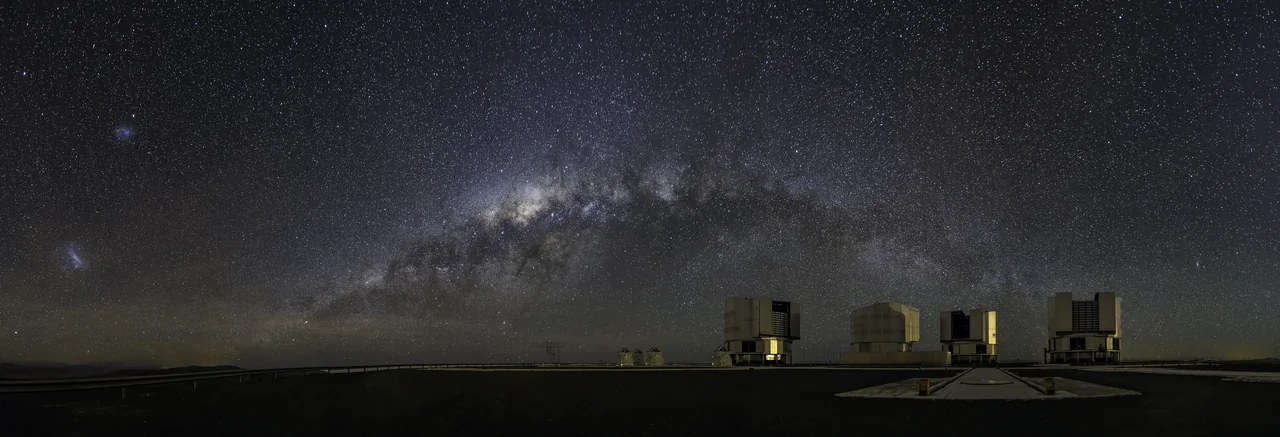
Photograph the night sky
Everything you need to plan a great night-sky photo in New England: when the Milky Way's core is up in a moonless sky, where the darkest open horizons are, and the camera settings that work.
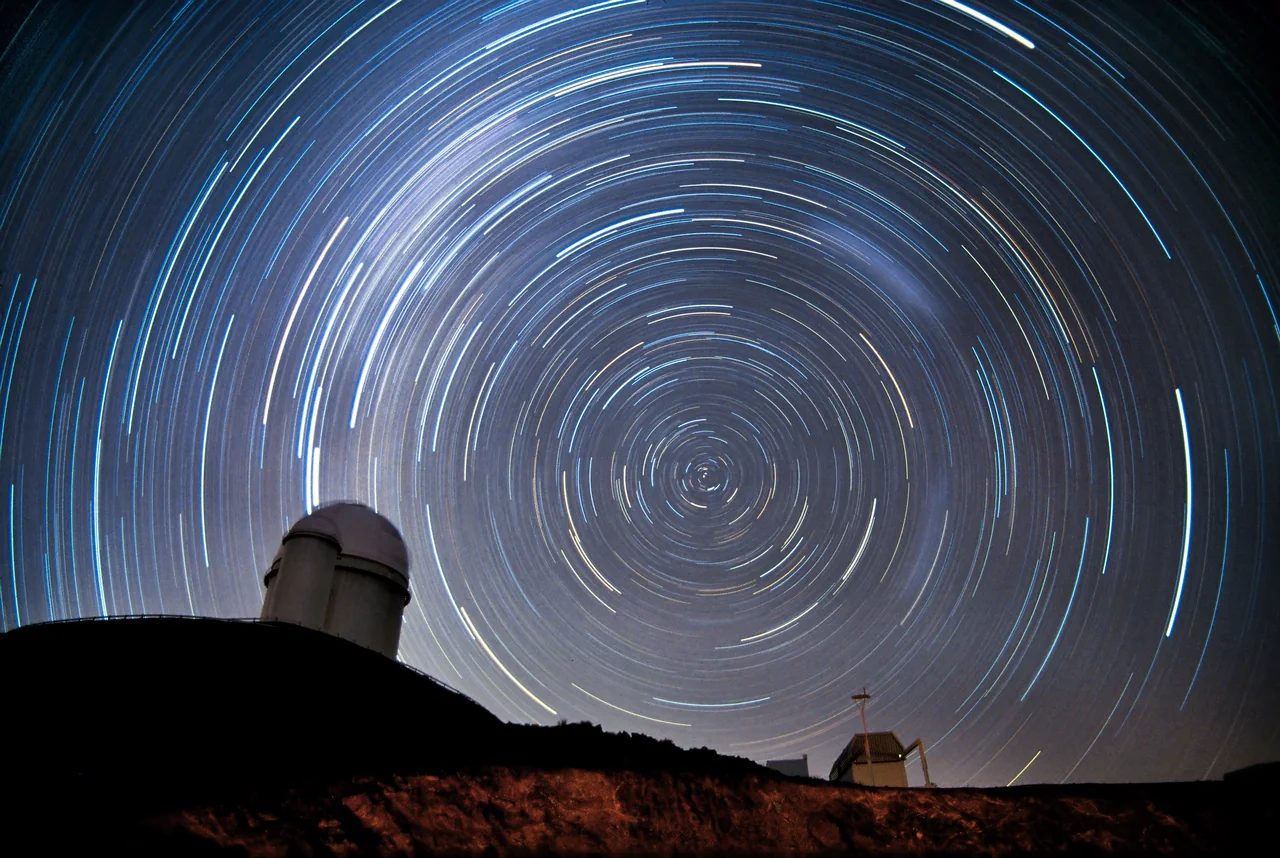
When the core is up and the Moon is down
Nights each month when the Milky Way's core is at least 10° up during full darkness with the Moon below the horizon, computed for Sturbridge, MA (the rest of New England is within a few days).
- Fri, Apr 2, 20273:19 AM–4:51 AM · core 18° high · Moon 14%
- Sat, Apr 3, 20273:07 AM–4:49 AM · core 18° high · Moon 8%
- Sun, Apr 4, 20273:06 AM–4:47 AM · core 18° high · Moon 4%
- Mon, Apr 5, 20273:05 AM–4:45 AM · core 18° high · Moon 1%
- Tue, Apr 6, 20273:04 AM–4:43 AM · core 18° high · Moon 0%
- Wed, Apr 7, 20272:53 AM–4:41 AM · core 18° high · Moon 2%
From New England the core never climbs above about 20°, so pick a spot with a dark, open view to the south.
The best astrophotography spots in New England
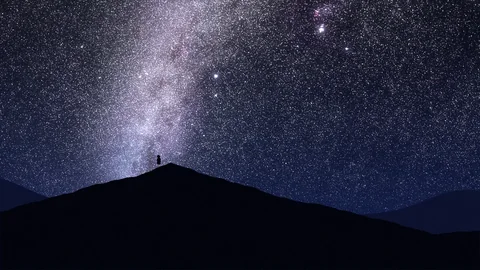
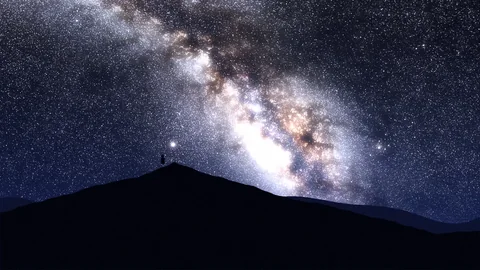
The darkest public places we list (Bortle 3 or darker), with summits, viewpoints and certified dark-sky places first for their open horizons.
 Bortle 1.0
Beetle Mountain
Patten, ME
 Bortle 1.0
Hudson Mountain
Portage Lake, ME
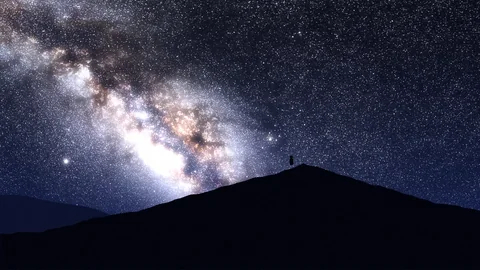 Bortle 1.0
Willard Mountain
Masardis, ME
 Bortle 1.0
Peaked Mountain
Ashland, ME
 Bortle 1.1
Deasey Mountain Lookout Tower
Patten, ME
 Bortle 1.1
Round Pond Mountain Fire Tower
Allagash, ME
 Bortle 1.1
Green Mountain
Patten, ME
 Bortle 1.2
Deboullie Mountain Tower
Allagash, ME
 Bortle 1.2
Female Mountain
Beaver Cove, ME
 Bortle 1.3
Katahdin Woods and Waters National Monument
Patten area, ME
 Bortle 1.3
Rocky Mountain
Allagash, ME
 Bortle 1.3
Long Pond Mountain
Jackman, ME
How long before stars trail?
The NPF rule (by Frédéric Michaud, Société d'Astronomie Populaire) accounts for your sensor's pixel size, so it's stricter than the old 500 rule on modern high-resolution cameras.
Mostly clear
- Fully dark
- 5:57 PM–5:15 AM
- Moon
- Waning gibbous, 75% · 2.9 moon-free dark hours
- Clouds
- 28% on average, 10 clear hours
What a truly dark sky can show
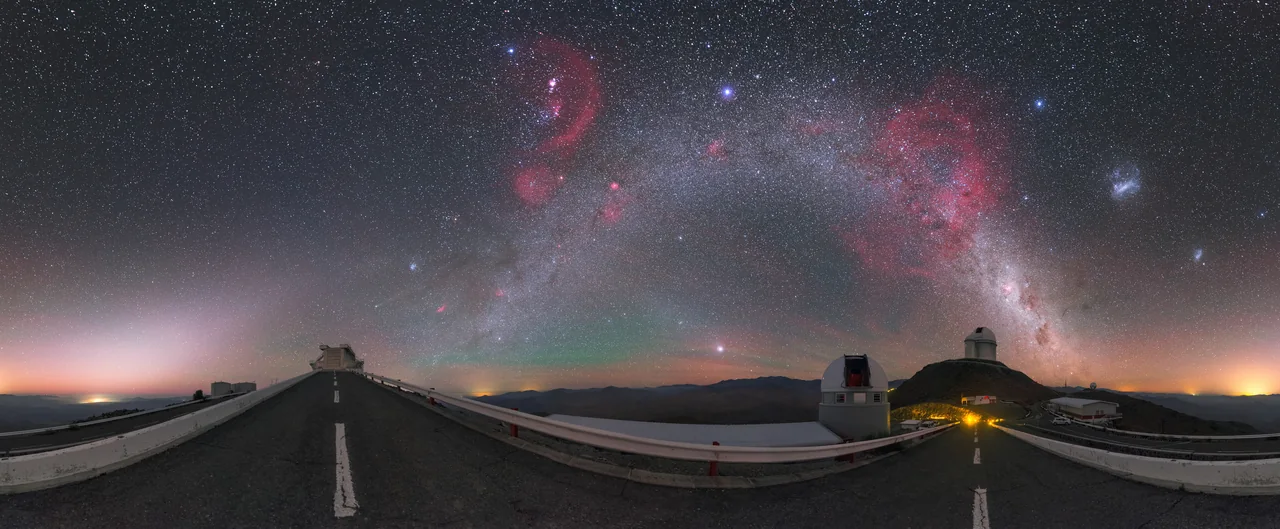 Nature’s Fireworks
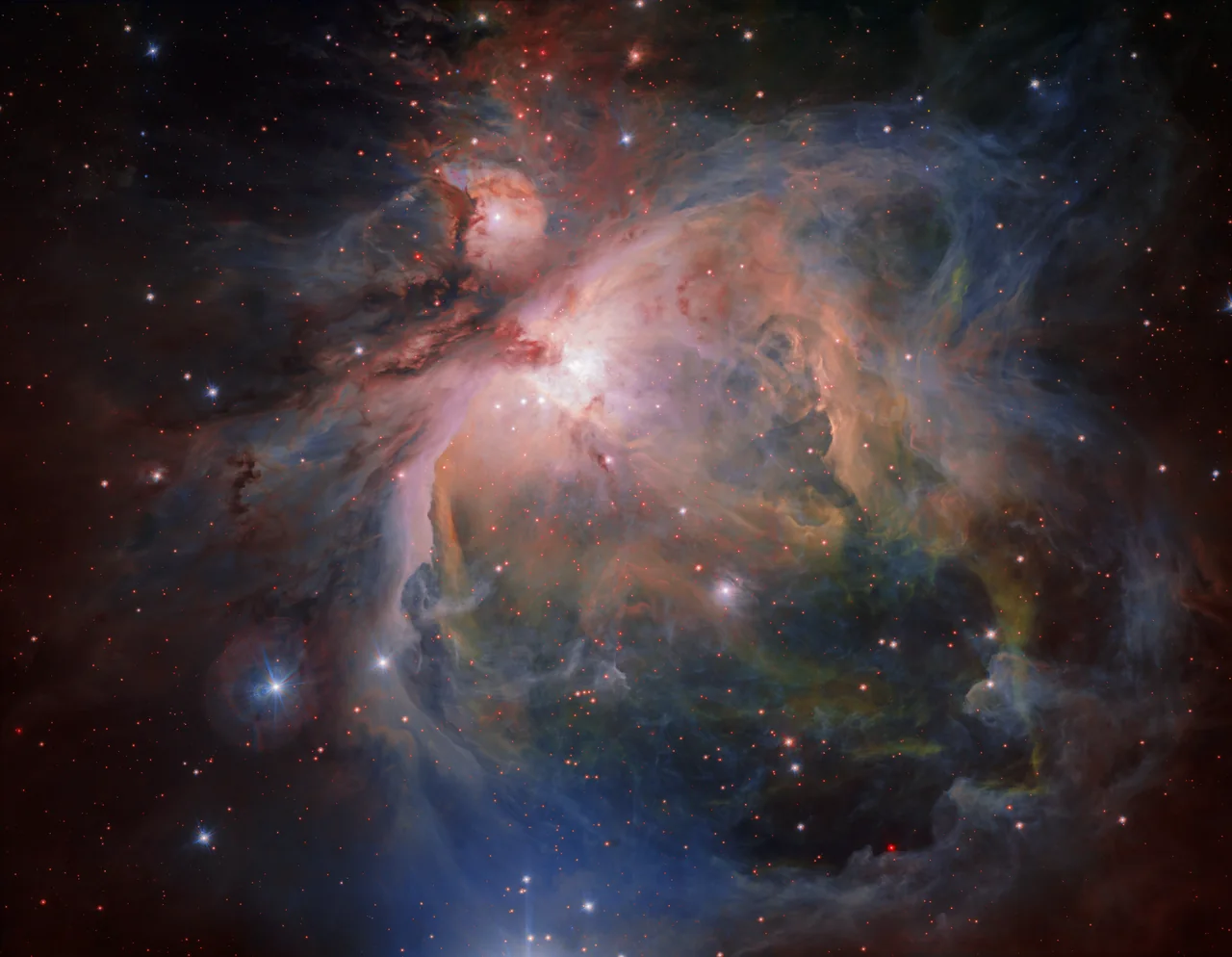 The Orion Nebula and cluster from the VLT Survey Telescope
 Into the vortex
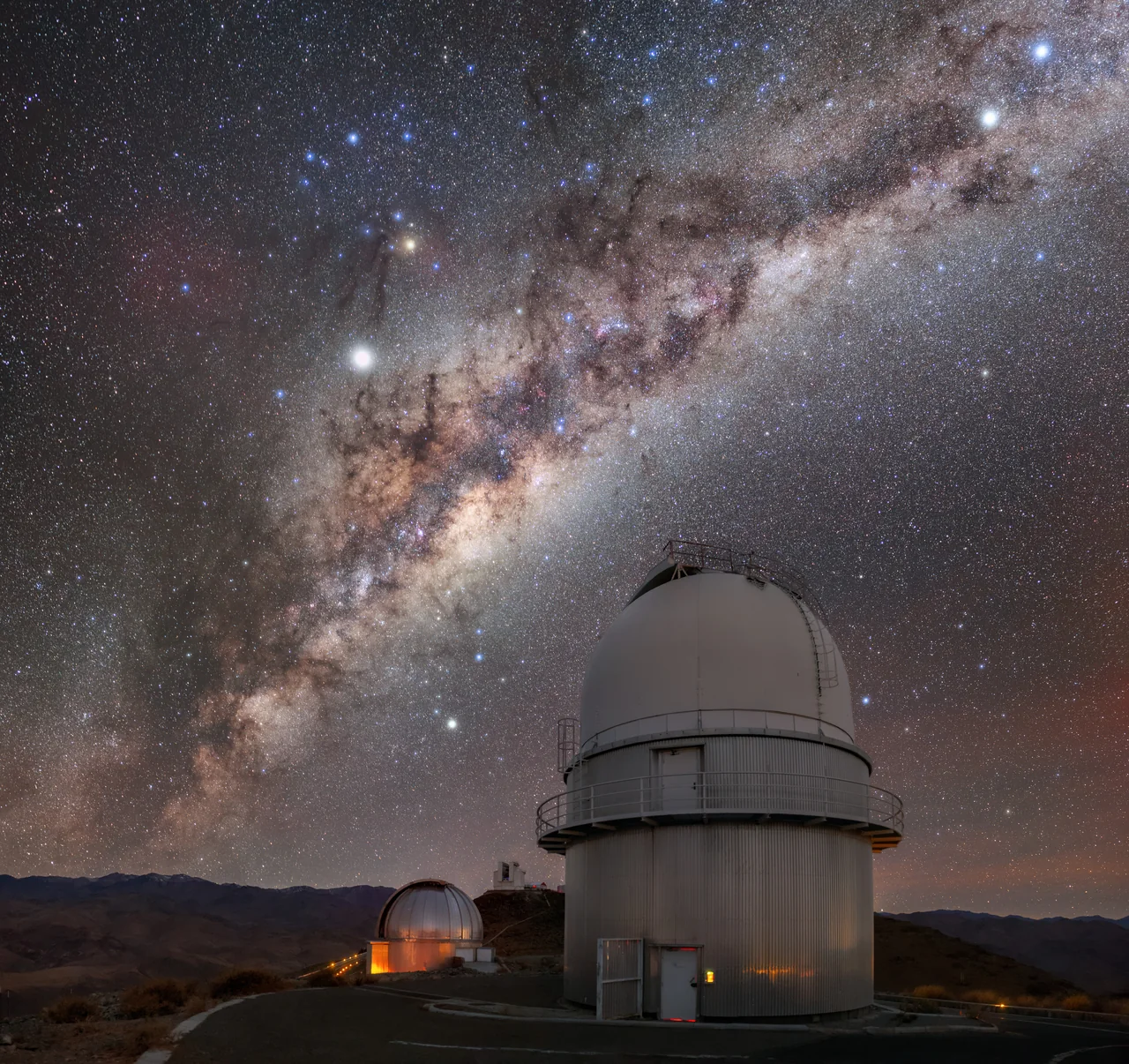 Starry, Starry Night
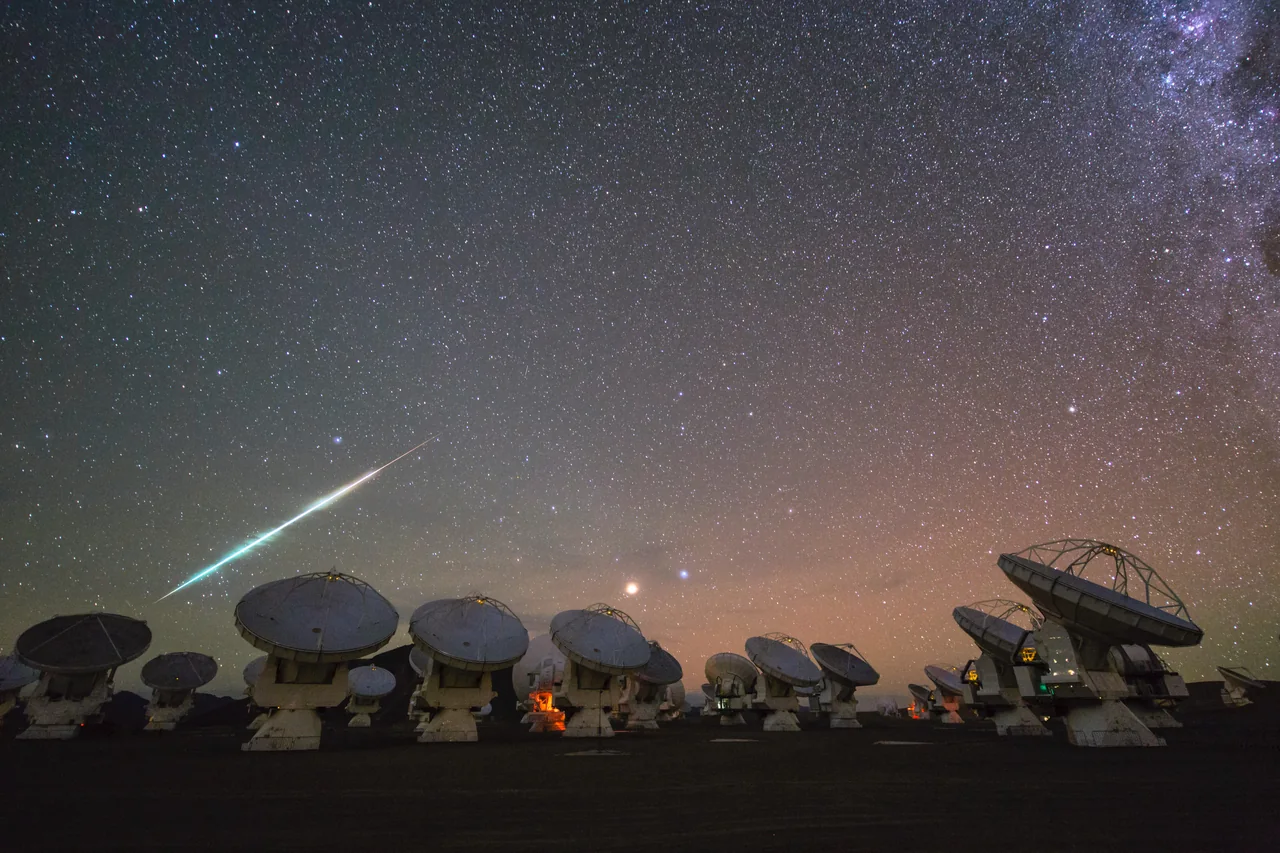 Cosmic fireball falling over ALMA
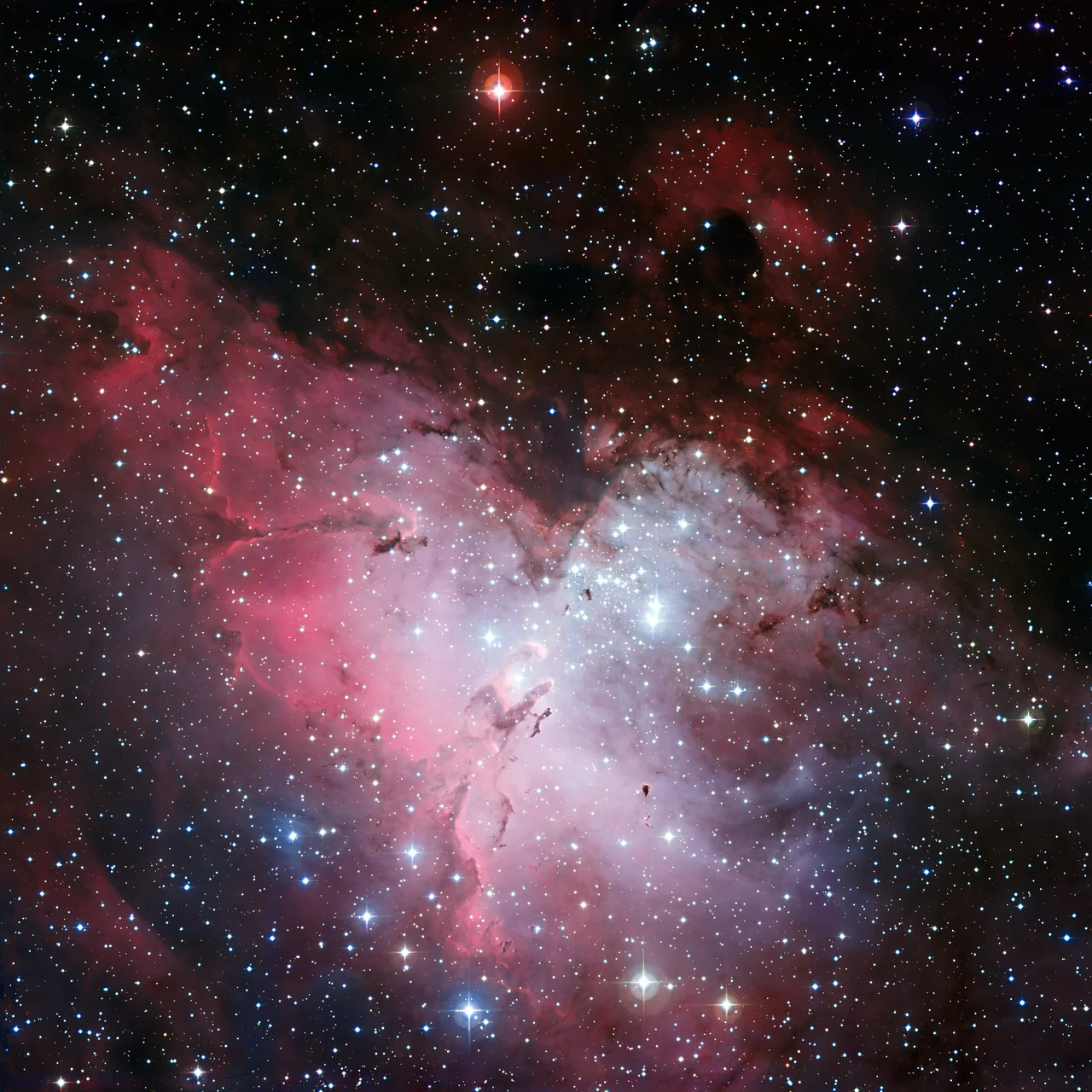 The Eagle Nebula
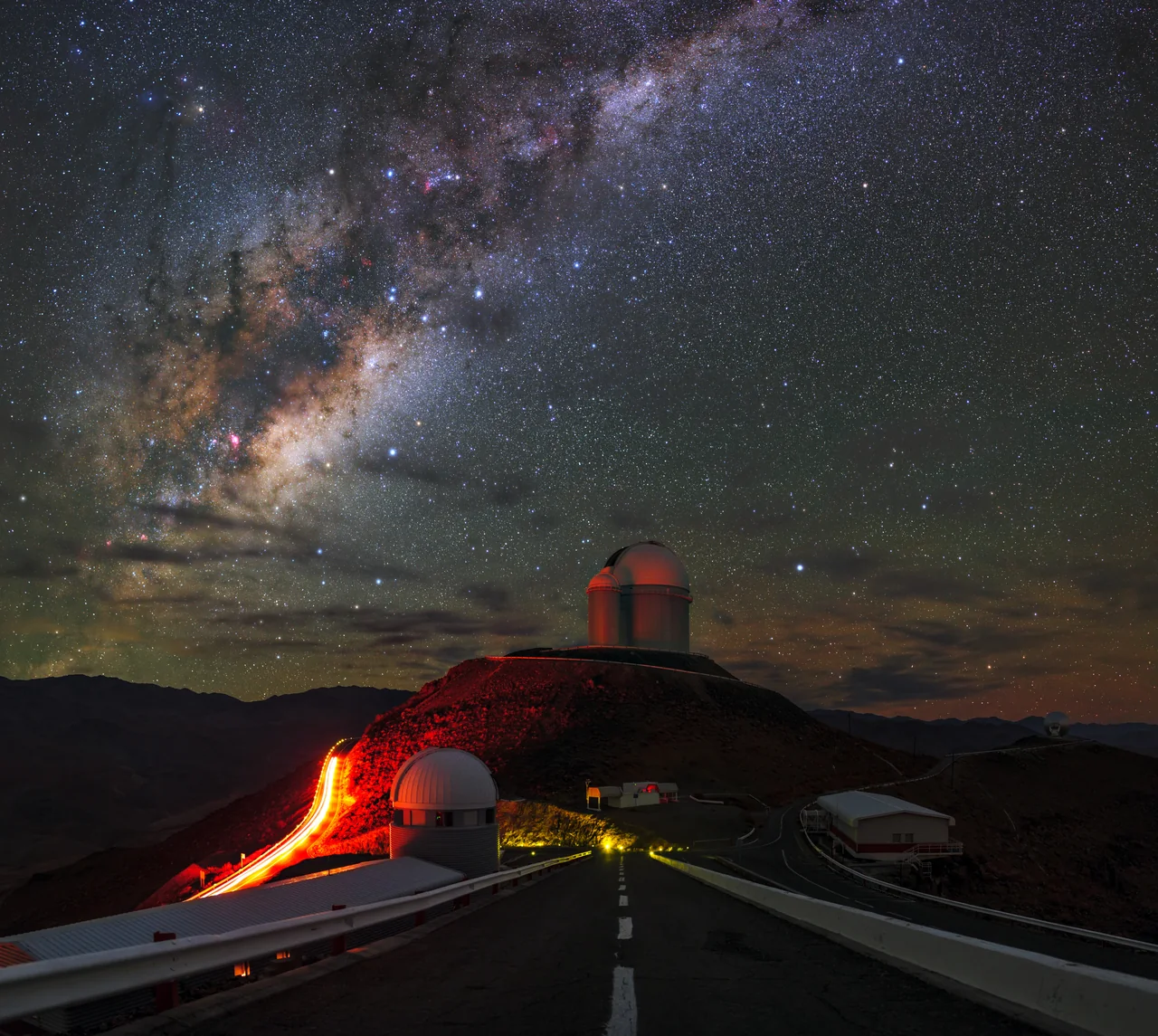 Road to the Milky Way at La Silla
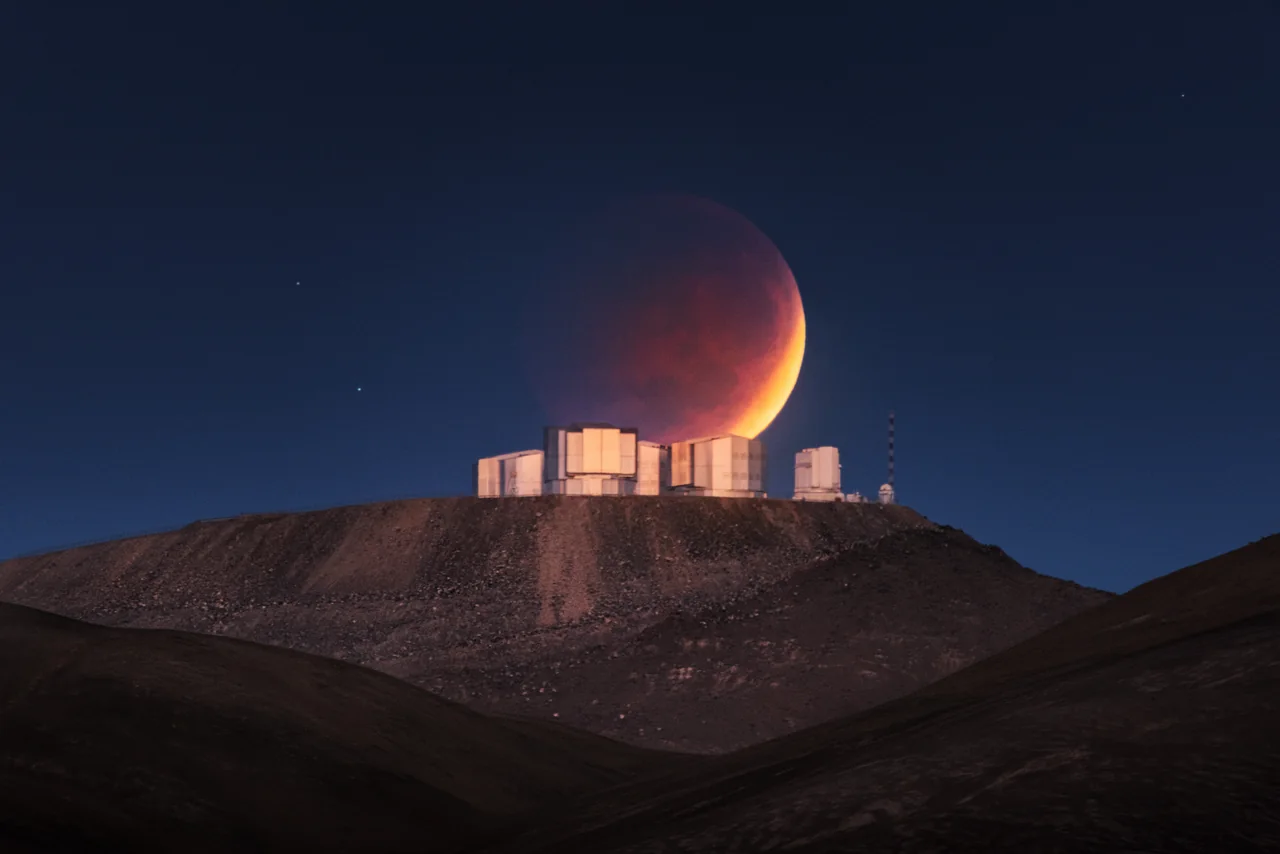 Eclipsed Moon at Paranal
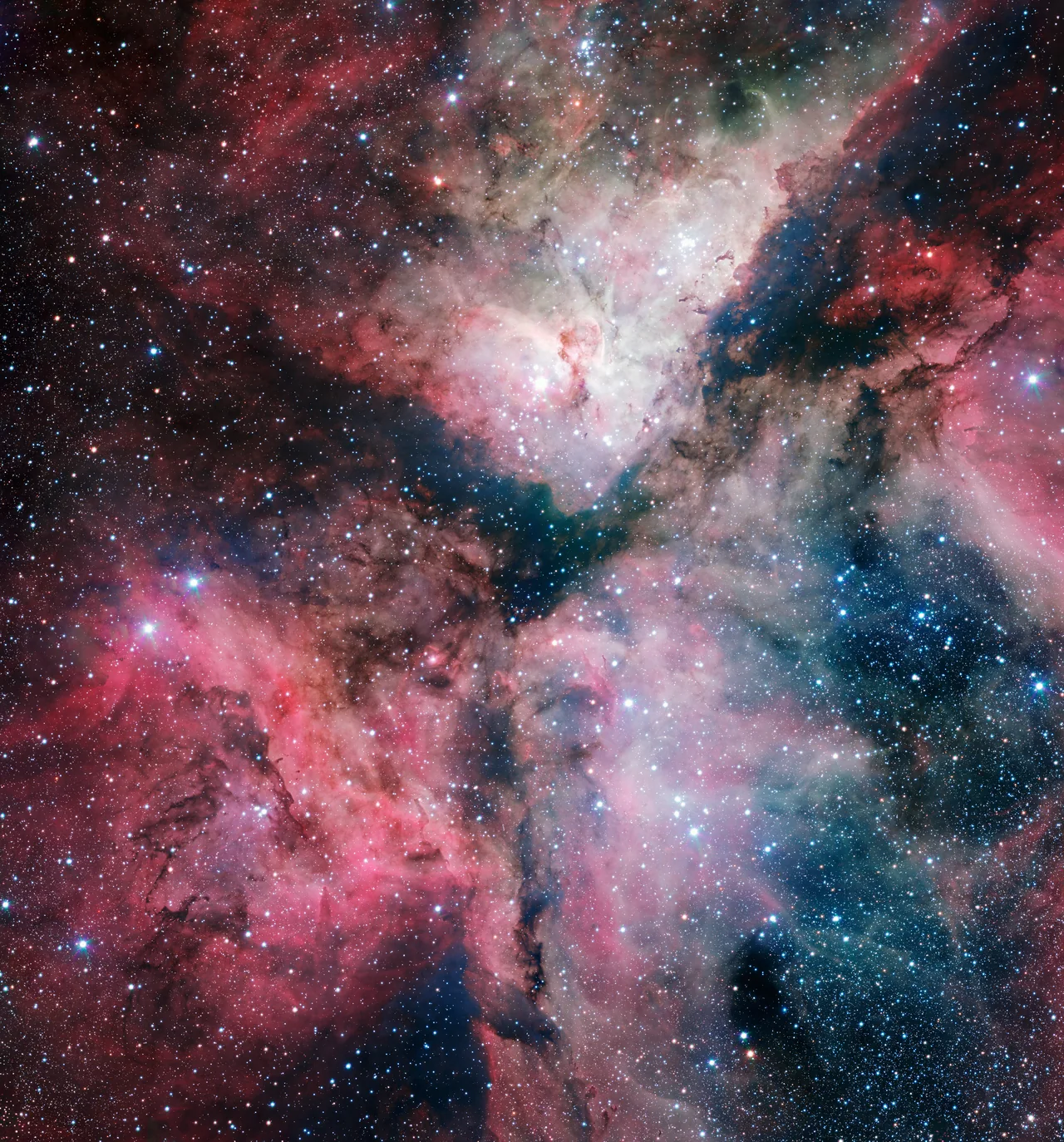 The Carina Nebula imaged by the VLT Survey Telescope
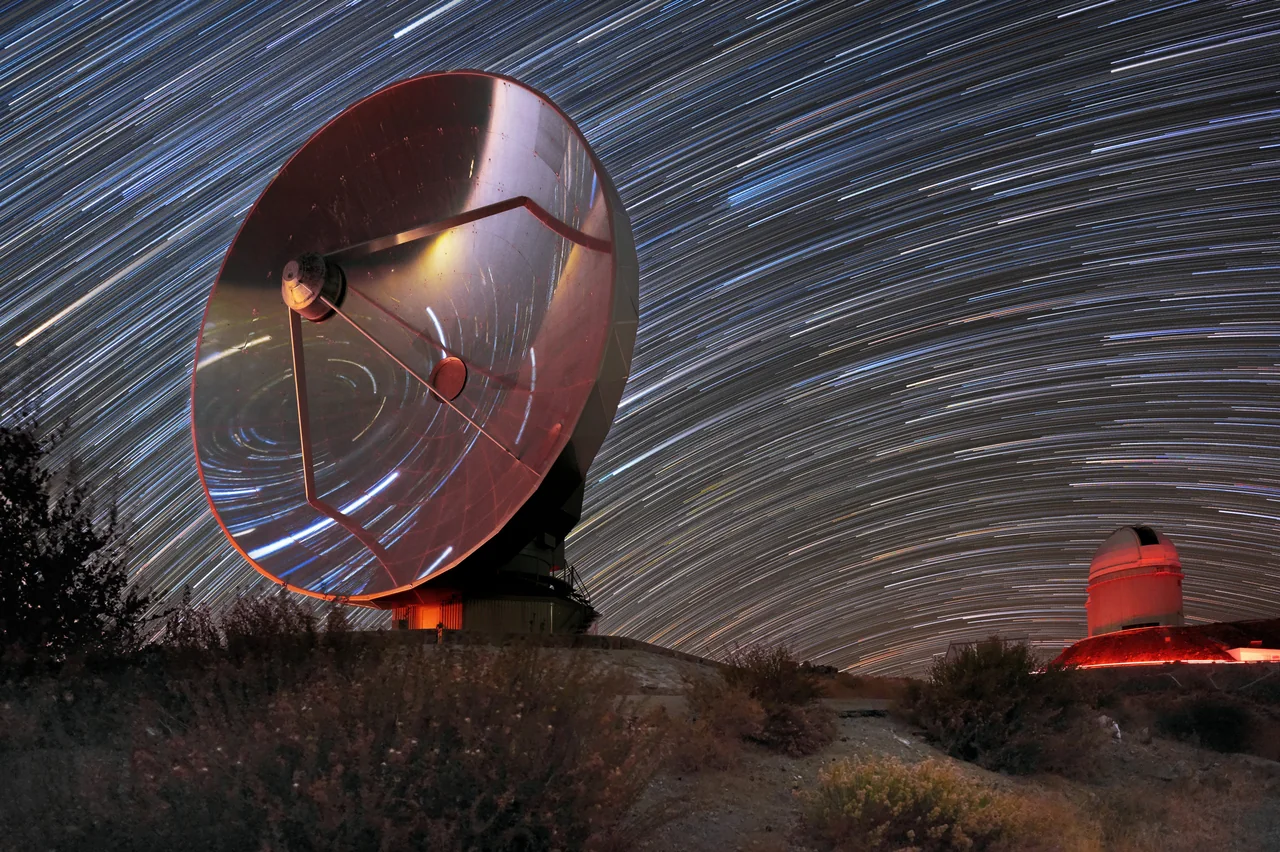 Star trails over SEST
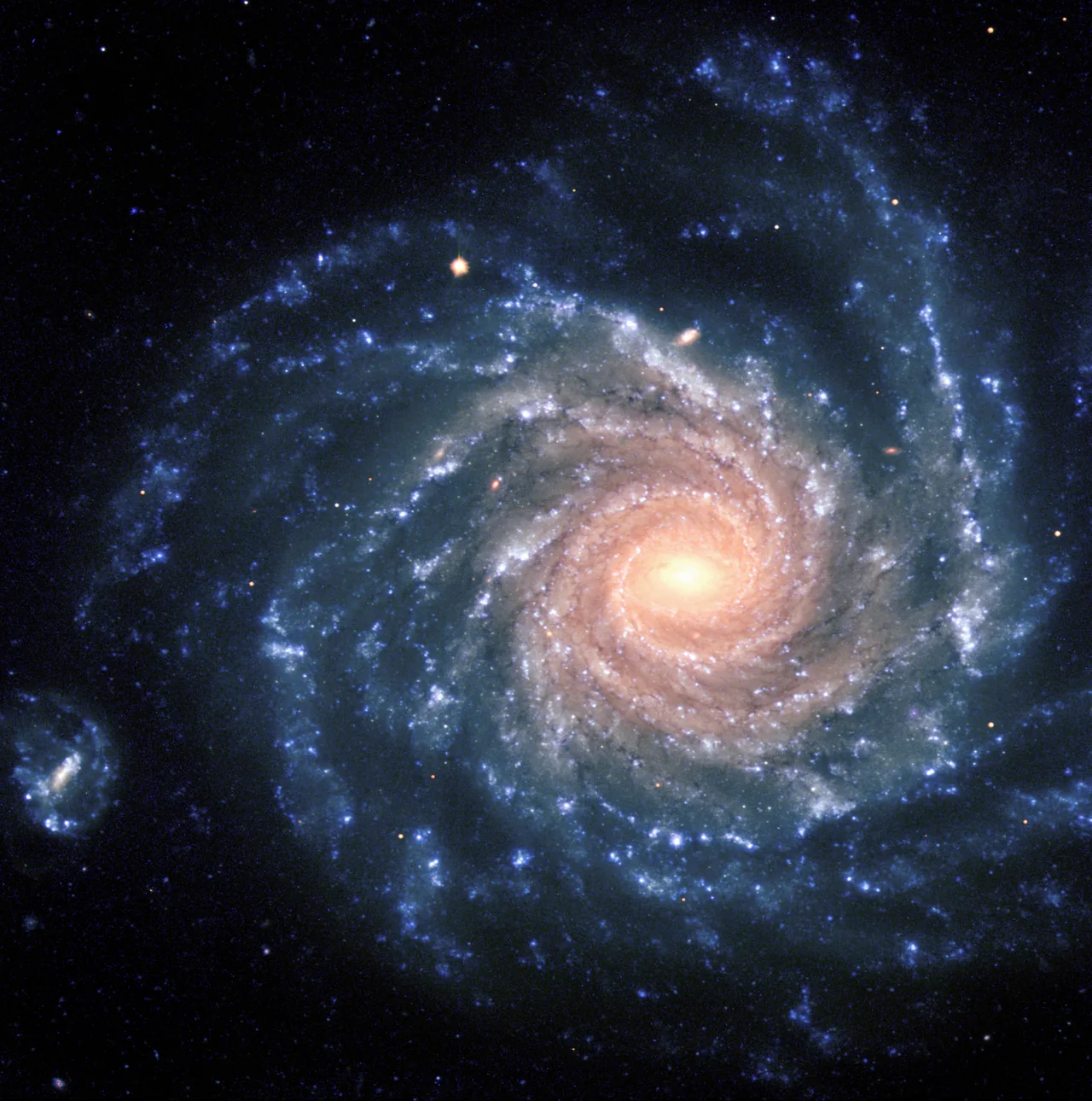 Spiral galaxy NGC 1232
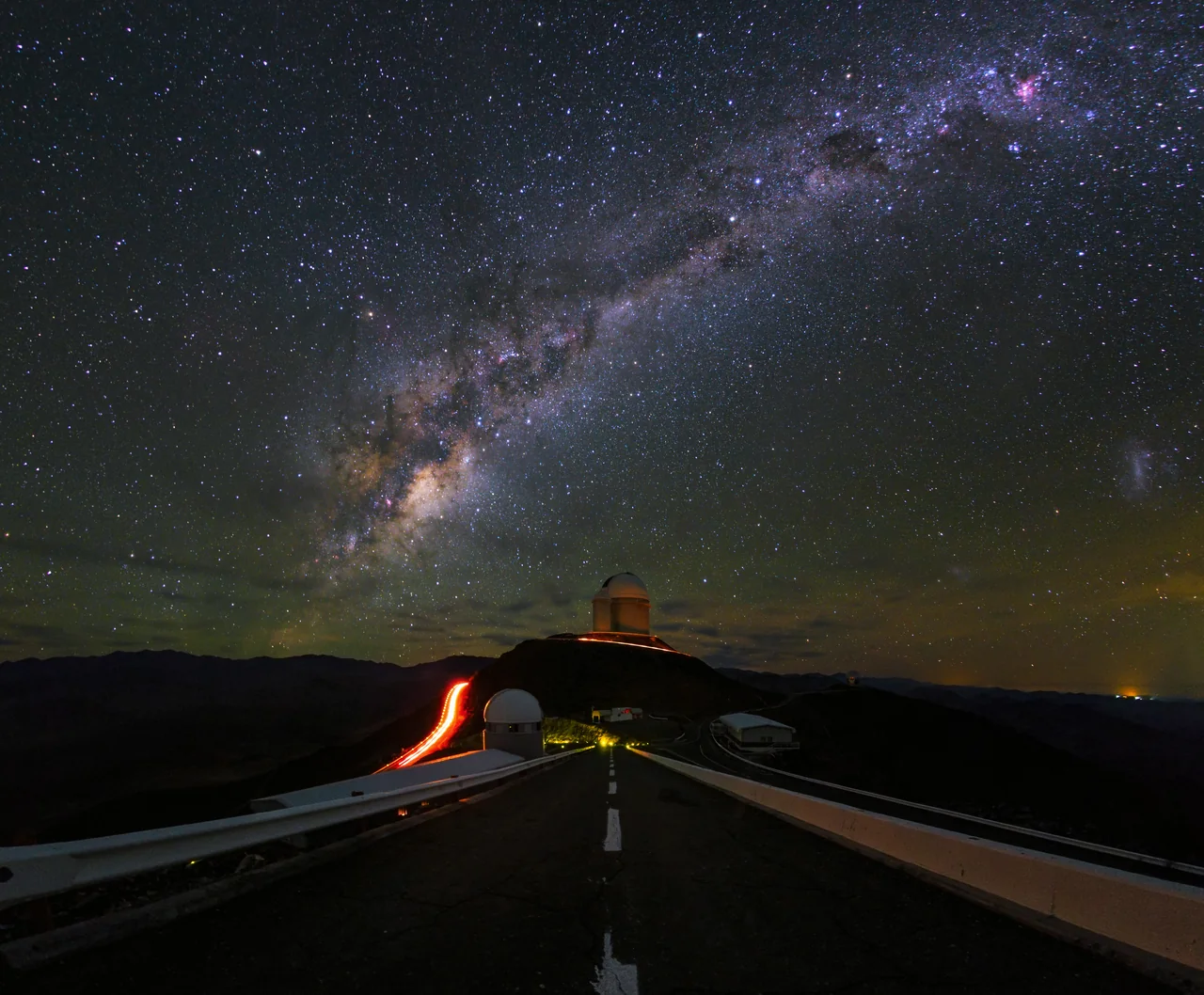 La Silla shown in UHD
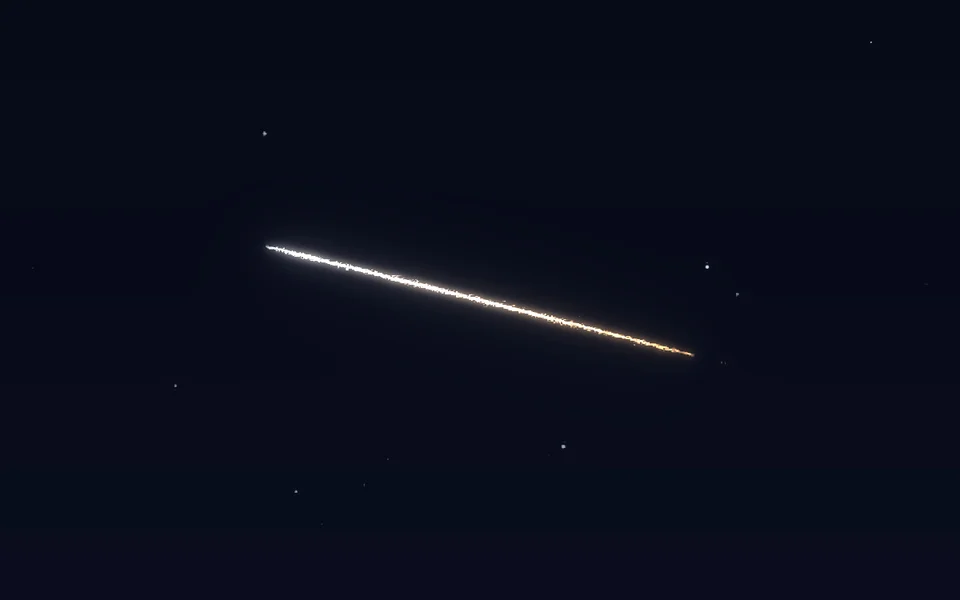
Watch your own sky 24/7, and catch every meteor.
Turn an ordinary IP camera into an AI sky camera: it records all night, catches meteors, fireballs and satellites, names planes and satellites from public orbit and flight data, and makes one-click Shorts of the best moments.
- Runs on your own Windows, Mac, Linux or Raspberry Pi 5
- Join the SkyWatch Network map and help cover America's sky
- Go live on YouTube for big sky events
 LIVE 24/7
A real catch, not a renderMeteor · Nov 9, 2026 · 3:44 AM · our 12MP backyard sky cam
40meteors confirmed
279satellites named
12,917aircraft logged
Watch our sky live →